November 2, 2026
Winter weather can transform ordinary landscapes into hazardous environments within a matter of hours. When freezing temperatures arrive, property managers, business owners, and facility directors must ensure that surfaces remain clear, safe, and accessible for everyone who visits the site. Navigating winter storms requires advanced preparation, reliable equipment, and experienced professionals who understand regional weather patterns. Selecting a partner for local commercial snow removal is a critical operational decision that safeguards employees, visitors, and customers from slip-and-fall injuries while maintaining daily business continuity.
Evaluating Property Needs and Physical Layouts
Every commercial site presents distinct challenges that require careful evaluation prior to the arrival of freezing weather. Establishing an accurate baseline of the physical property helps determine the exact scope of work needed during storm events.
Mapping High-Traffic Walkways and Entryways
The primary goal of winter property maintenance is pedestrian safety. Pedestrians require clean, well-tended access from parking areas directly into main building entrances. When assessing a layout, mark all primary sidewalks, secondary walking trails, emergency exit routes, and handicap ramps. These locations require prompt attention because packed footsteps quickly compress snow into dangerous sheets of ice. Service providers must allocate appropriate labor and handheld spreaders or compact equipment to these delicate zones to prevent surface damage while maintaining clear access.
Surveying Large Parking Areas and Vehicle Routes
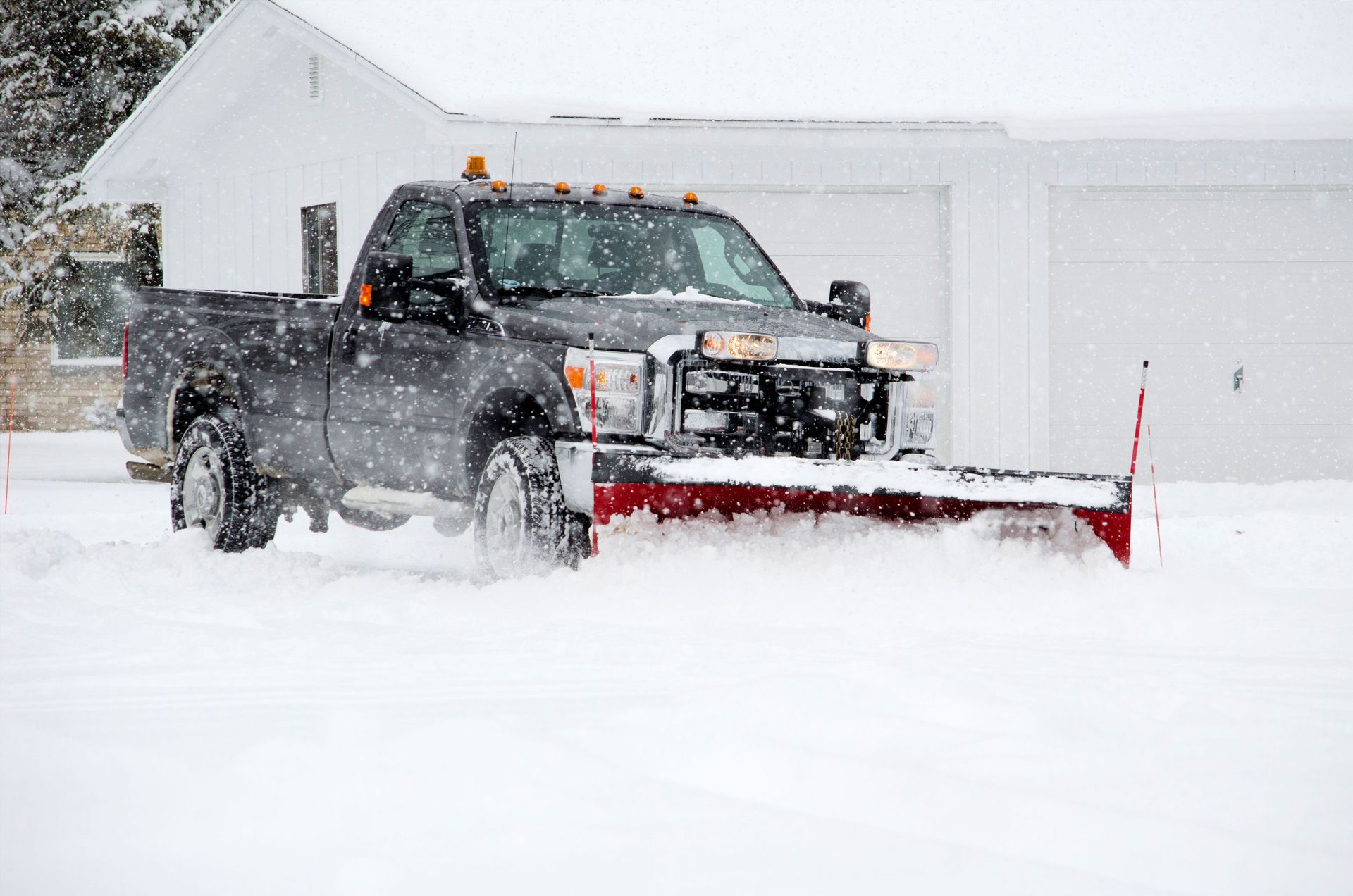
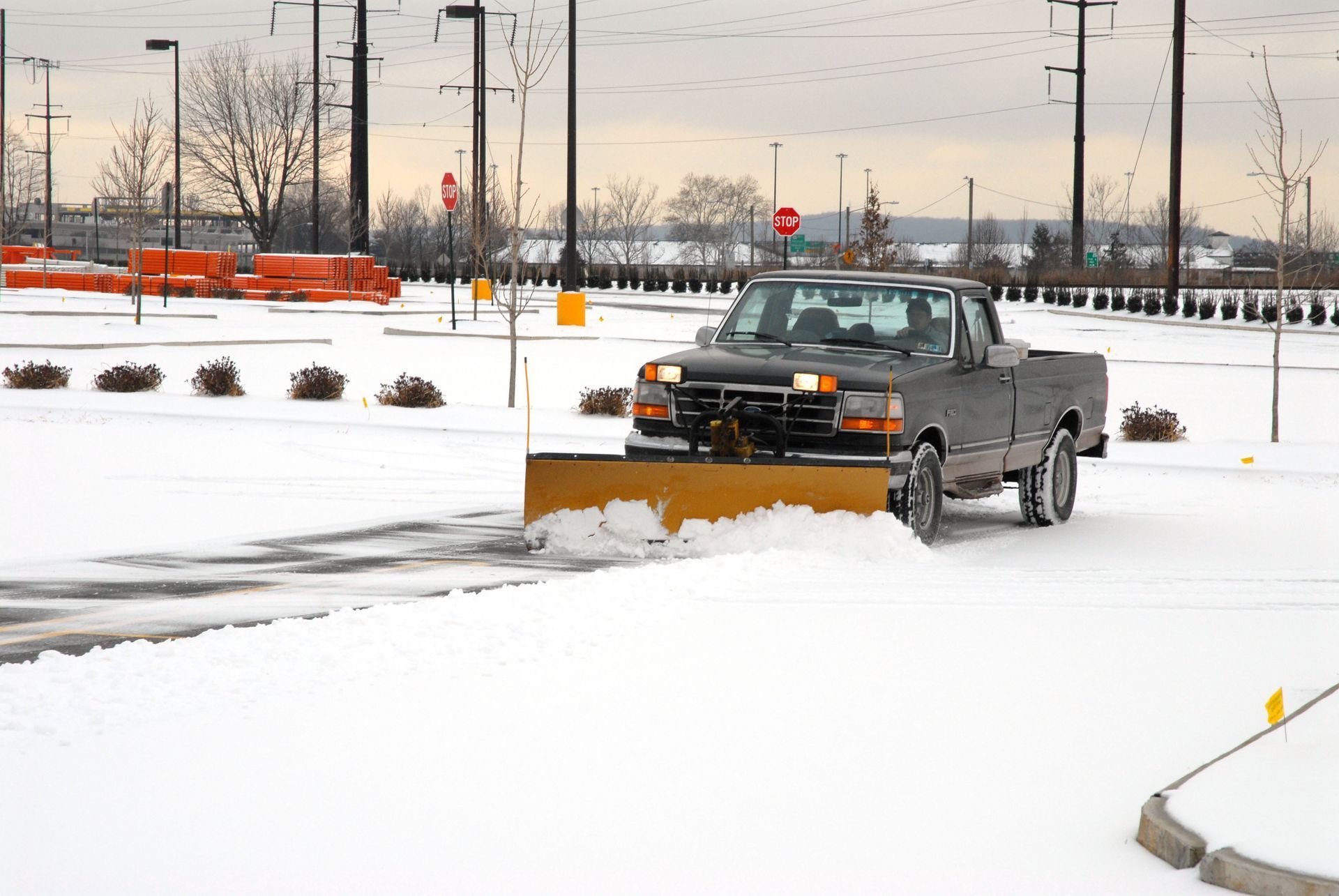
Large asphalt expanses require heavy equipment to push substantial volumes of accumulation away from driving lanes. When planning, identify designated drift zones where piles can sit without obstructing driver sightlines or blocking fire hydrants. It is equally important to identify catch basins, drainage grates, and curbs so that operators avoid damaging perimeter structures. Contracting a dedicated crew for local commercial snow removal guarantees that drive aisles remain wide enough for two-way vehicle movement and delivery trucks.
Identifying Delicate Landscaping and Irrigation Hardware
Winter clearance operations must not sacrifice the underlying exterior infrastructure. Before cold weather sets in, properties must mark turf borders, decorative plantings, and above-ground irrigation components such as backflow assemblies and valve boxes. When plows operate in heavy whiteout conditions, drivers rely on high-visibility boundary stakes to avoid striking delicate ground features. Clarifying where equipment may safely push snow protects turf edges from gouging and ensures that underground systems remain undamaged until spring.
Reviewing Regional Weather Patterns and Environmental Factors
Understanding regional climate behavior provides crucial context when setting up a winter property management plan. Weather trends dictate how often crews must mobilize and what techniques work best on local pavements.
Analyzing Annual Snowfall Trends and Storm Severity
Winter weather severity fluctuates dramatically across different geographic zones. According to the Missouri Department of Transportation, the state of Missouri experiences between 8 and 24 inches of snow each year, demonstrating how seasonal totals can vary widely across regions. Because accumulations can range from light nuisance dustings to deep drifts, properties must establish protocols that address both minor freezes and catastrophic blizzards. Reliable providers monitor regional radar feeds continuously, allowing them to dispatch crews before light coatings become compacted by morning traffic.
Selecting Proper Deicing Products for Varied Temperatures
Plowing alone cannot completely eliminate winter risks; chemical treatments are essential to melt bonded ice and maintain traction. Standard rock salt loses effectiveness when temperatures dip below 15 degrees Fahrenheit, requiring specialized treated salts or liquid brine formulations for colder snaps. A qualified team handling local commercial snow removal understands the science behind eutectic temperatures and applies appropriate compounds to prevent surface bonding. Proper application rates also prevent chemical runoff into nearby storm systems and reduce post-winter tracking onto interior floors.
Inspecting Professional Capabilities and Modern Equipment
A successful partnership depends on the contractor possessing adequate machinery and trained personnel to fulfill their obligations under harsh conditions. A thorough evaluation of operational capabilities reveals whether a company can manage intense, prolonged storms.
Examining Fleet Readiness and Mechanical Redundancy
Winter operations push mechanical equipment to extreme limits. Sub-zero temperatures, dense slush, and prolonged shifts cause hydraulic failures, electrical shorts, and tire blowouts. During the evaluation phase, ask about the age, variety, and maintenance schedules of the fleet. A resilient provider maintains backup vehicles, spare plow blades, and replacement spreaders ready for immediate deployment. If a primary plow truck breaks down during a major blizzard, the operation must have redundant machines to finish clearing parking stalls without delay.
Verifying Staff Safety Education and Industry Training
Operating large machinery in crowded parking lots demands exceptional spatial awareness and extensive safety instruction. Professional crews participate in continuous training programs that cover defensive driving, equipment calibration, and incident reporting. Inquiring about employee safety standards confirms that the crew will follow safe operational guidelines on the property. Well-trained technicians recognize potential hazards, respect site boundaries, and minimize the risk of accidental collisions with light poles or parked customer vehicles.
Establishing Operational Protocols and Timely Communication
Clear operational guidelines ensure that both parties share identical expectations regarding when service begins, how tasks progress, and how emergencies are addressed. Formalizing these details avoids misunderstandings during stressful storm events.
Defining Specific Trigger Depths and Response Times
Agreements must specify the precise level of accumulation that initiates an active response. A common standard is a one-inch or two-inch trigger, meaning crews deploy automatically once snow reaches that depth on paved surfaces. Some high-liability properties, such as medical offices or retail plazas, request a zero-tolerance policy where anti-icing chemicals are applied before precipitation begins. Establishing clear parameters ensures that your preferred choice for local commercial snow removal arrives promptly rather than waiting for manual authorization calls during overnight freezes.
Setting Communication Channels and Real-Time Reporting
During intense weather events, rapid communication between site managers and field supervisors is vital. Ask candidate companies how they report completed service runs, document site conditions, and log chemical application times. Many progressive operations utilize digital dispatch platforms that send time-stamped photographs and GPS logs confirming that sidewalks and parking bays were cleared. Having direct telephone access to an assigned account representative provides peace of mind when sudden squalls occur outside standard operating hours.
Selecting Long-Term Partners for Exterior Property Management
Choosing an exterior maintenance provider is an investment in long-term safety, asset longevity, and organizational reputation. Taking time to select the right partner creates seamless transitions across changing seasons.
Verifying Industry Credentials and Operational References
Reputable operators welcome inquiries into their past performance and operational standing. Request references from property managers who oversee facilities of comparable scale and complexity. Inquiring about performance during past record-breaking storms reveals whether the provider honors commitments during crisis scenarios. Additionally, verify active participation in recognized industry trade associations that champion high operational standards, environmental responsibility, and ongoing professional development for field staff.
Prioritizing Proactive Site Inspections and Detailed Planning
Exceptional management begins weeks before the first freeze occurs. Prior to winter, an account supervisor should walk the property alongside the facility manager to identify problematic areas, inspect existing pavement conditions, and note storm drain placements. Detailed pre-season mapping helps the company tailor its strategy to the unique architecture of the property. Securing experienced assistance for local commercial snow removal early in the season guarantees that all equipment operators understand site layouts well before low-visibility conditions arrive.
Integrating Winter Care With Yearly Property Preservation
Winter clearance is one component of a year-round property care strategy. Harsh plowing techniques and poorly chosen chemicals can accelerate concrete deterioration, dislodge curb stops, and crush hidden sprinkler heads. Selecting an exterior management partner that respects property boundaries prevents structural harm that requires costly springtime repairs. Investing in professional, attentive local
commercial snow removal maintains clean, open access throughout freezing conditions while leaving the grounds intact and healthy for the warmer months ahead.
Effective winter maintenance requires balanced planning, dependable equipment, and skilled personnel working together to keep commercial sites clear and safe. By carefully auditing property boundaries, setting definitive service triggers, and verifying contractor capabilities, facility leaders can navigate unpredictable cold seasons with complete confidence. For property owners seeking comprehensive care for their exterior grounds, scheduling professional backflow testing and sprinkler installation, service, or modifications through Exclusive Lawns preserves critical landscape infrastructure throughout the changing seasons.