November 9, 2026
An efficient irrigation system can help maintain healthy landscapes while controlling rising water bills. Understanding current water consumption, watering patterns, and landscape needs makes it easier to identify opportunities for improvement. With the right equipment and professional management, unnecessary water use can be reduced without sacrificing the appearance of lawns and gardens.
Identifying Water Waste
Leaks, damaged components, and uneven water distribution can cause unnecessary water consumption. Overwatering can also increase utility costs while contributing to runoff, soil erosion, and unhealthy plant growth. A professional inspection can identify these problems and determine which improvements will provide the greatest benefits.
Watering schedules are another important consideration when evaluating efficiency. Watering during cooler parts of the day generally reduces evaporation, allowing more moisture to reach the soil. Adjusting schedules to account for rainfall, seasonal changes, and plant requirements can help prevent unnecessary watering.
Measuring Potential Water Savings
Reviewing water bills provides a useful starting point for understanding irrigation consumption. Comparing usage across different months can reveal seasonal increases that may be associated with landscape irrigation. Tracking these patterns helps evaluate whether changes to watering equipment and schedules are producing meaningful results.
According to the EPA, when managed well, an irrigation system can reduce irrigation water use by around 7,600 gallons of water a year. These potential savings demonstrate why efficient water distribution and appropriate scheduling matter. A professional assessment can help determine how water waste can be reduced based on the property's specific needs.
Understanding Modern Irrigation Technology
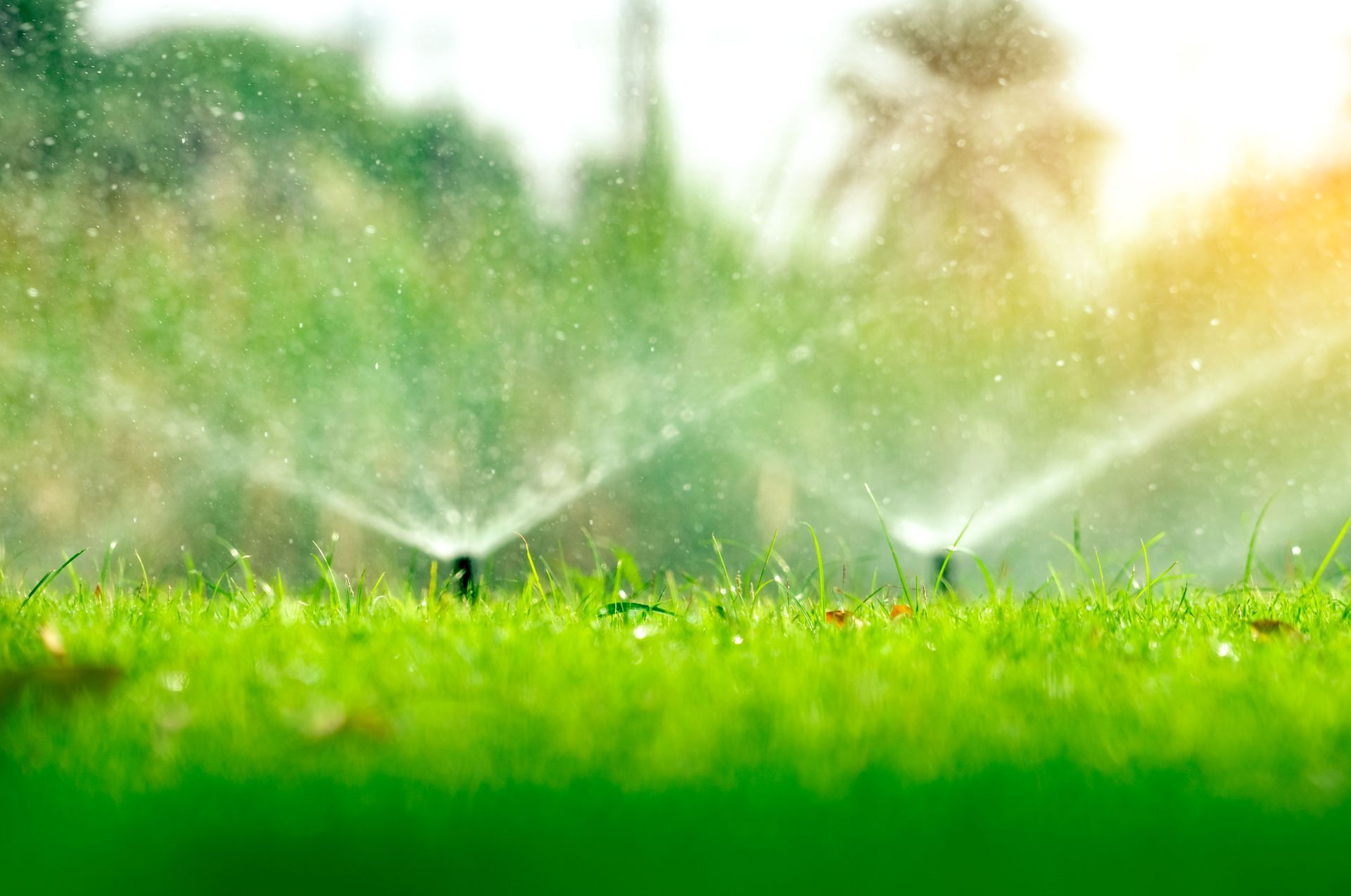
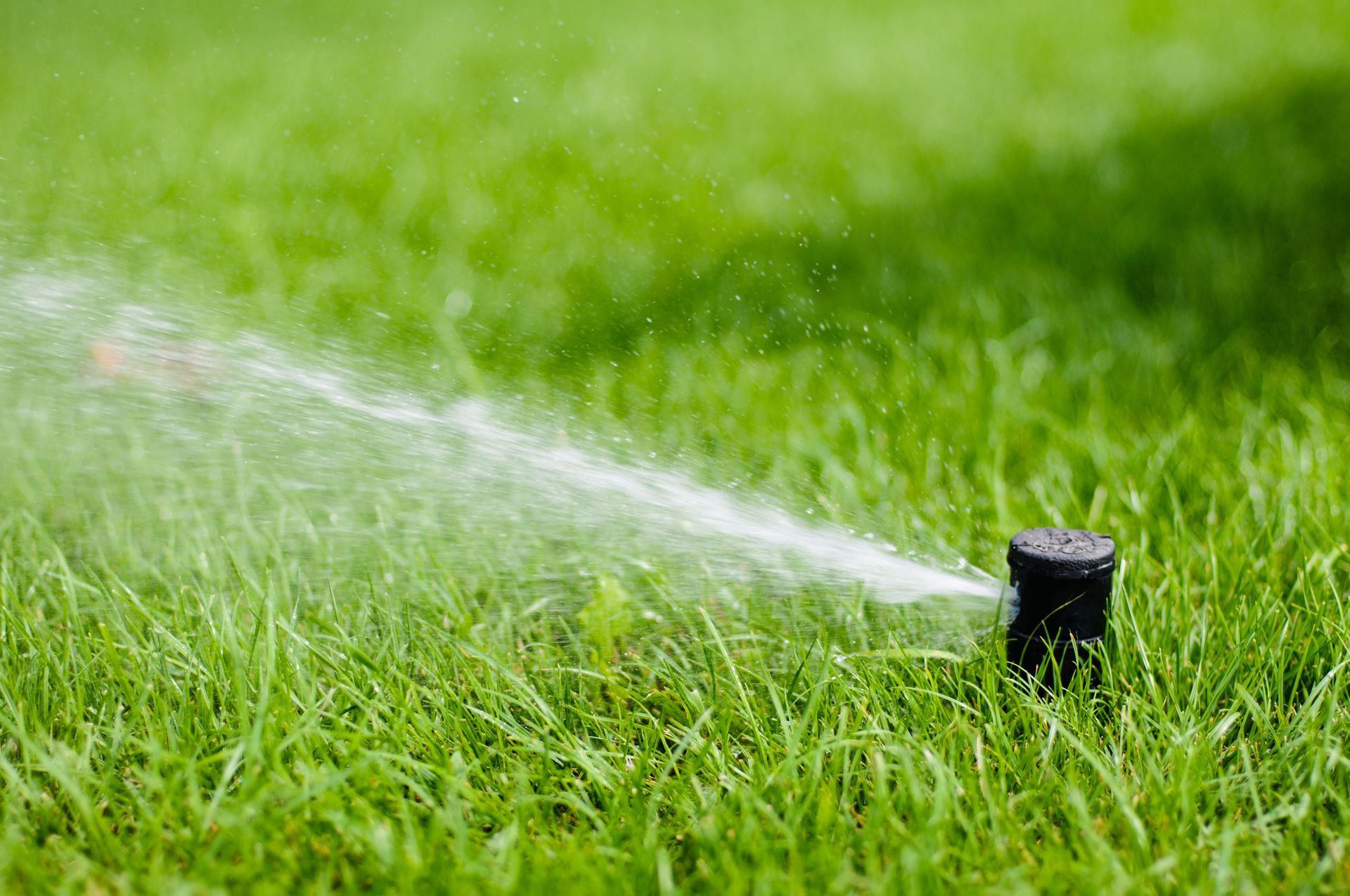
Modern irrigation equipment combines several components to distribute water throughout a landscape. Controllers establish watering schedules, valves regulate water flow, and sprinklers deliver moisture to designated areas. When these components work together correctly, they support consistent coverage and help prevent unnecessary consumption.
Different irrigation methods suit different landscaping requirements. Drip irrigation delivers water near plant roots, making it useful for gardens and planting beds, while sprinkler systems can cover larger lawn areas. Selecting appropriate equipment depends on landscape size, soil conditions, plant varieties, and local weather patterns.
Smart technology can further improve water management. Weather-based controllers adjust watering schedules according to changing conditions, while soil moisture sensors help determine when additional water is necessary. These features reduce reliance on fixed schedules that may provide too much water during rainy periods or insufficient moisture during dry weather.
Comparing Traditional and Efficient Systems
Traditional irrigation equipment may operate according to predetermined schedules without accounting for rainfall or changing temperatures. This approach can lead to unnecessary watering and higher utility costs. Modern equipment offers greater flexibility by adjusting delivery according to environmental conditions and landscape requirements.
Pressure regulation also influences overall performance. Excessive pressure can create misting and cause water to drift away from the intended area, while insufficient pressure may result in uneven coverage. Professional evaluation helps ensure that an irrigation system distributes water appropriately throughout the property.
Improving Water Distribution
Effective scheduling helps ensure that lawns and planting beds receive water when it can be absorbed efficiently. Watering during cooler morning hours generally reduces evaporation compared with watering during the heat of the day. A properly configured controller can maintain consistent schedules while accounting for changing weather conditions.
Soil moisture sensors offer another way to prevent overwatering. By measuring moisture levels, these devices help determine whether additional irrigation is necessary. Combining sensors with weather-responsive controls can make water delivery more precise and reduce unnecessary use.
Proper pressure and coverage are equally important. When sprinklers distribute water unevenly, some areas may become saturated while others remain dry. Professional adjustments can improve coverage, reduce runoff, and help maintain healthier landscaping.
Reducing Water Bills and Environmental Impact
An efficiently managed irrigation system can lower water bills by reducing unnecessary consumption. More precise watering helps limit water loss through evaporation, runoff, or irrigation in areas that do not need additional moisture. Over time, these reductions can contribute to meaningful savings in property maintenance costs.
Water conservation also benefits the surrounding environment. Using less water reduces demand on local supplies and supports communities working to manage limited resources. These benefits can be particularly important during dry periods when landscape irrigation places additional pressure on municipal water systems. Efficient equipment may also provide long-term financial advantages through improved performance and reduced water waste. Although upgrades require an initial investment, selecting appropriate components can help manage operating costs over time. Professional recommendations can clarify which improvements are most suitable for the property's needs and budget.
Supporting Property Value and Landscape Health
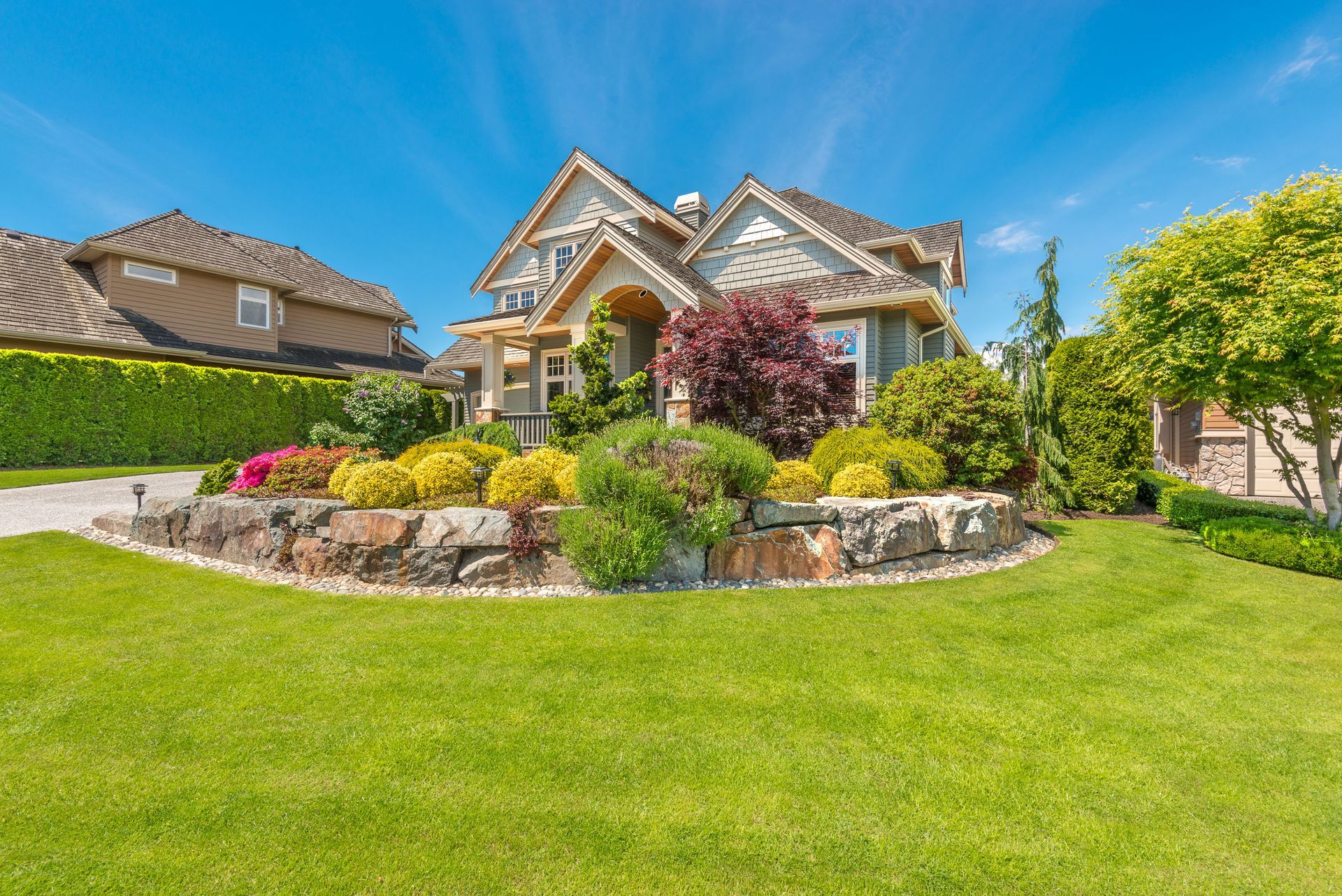
A well-maintained landscape contributes to a property's appearance and overall appeal. Reliable irrigation helps keep lawns, trees, and planting beds healthy without excessive water consumption. Attractive landscaping and efficient irrigation features can also contribute to a property's appeal to prospective buyers.
Consistent water distribution supports plant health by helping prevent both drought stress and oversaturation. Different plants require different amounts of moisture, making a tailored watering approach especially valuable. Professional irrigation planning accounts for these differences while supporting the long-term condition of the landscape.
Learning From Professional Irrigation Practices
Professional landscapers understand how equipment selection, soil conditions, and local weather influence irrigation performance. Their experience helps identify suitable solutions and avoid common inefficiencies. Expert guidance can also identify opportunities to improve existing equipment without replacing every component.
Community landscaping projects demonstrate similar benefits on a larger scale. Parks, shared green spaces, and commercial properties can reduce water consumption through modern controllers and appropriate distribution methods. These improvements show how efficient irrigation practices can support both individual savings and broader conservation goals.
Installing the Right Irrigation Equipment
Selecting suitable equipment begins with evaluating the property's layout and watering requirements. Lawn areas, gardens, trees, and planting beds may need different delivery methods to achieve appropriate coverage. A professional assessment helps match equipment to these needs while accounting for soil conditions, available water pressure, and local climate.
Installation quality also affects performance. Poorly positioned sprinklers, incorrect pressure settings, and unsuitable controller configurations can create uneven watering and unnecessary waste. Experienced irrigation professionals can design and install an irrigation system that distributes water consistently across the intended areas.
Existing irrigation equipment may benefit from targeted upgrades rather than a complete replacement. Smart controllers, moisture sensors, and improved sprinkler components can address specific inefficiencies. A qualified provider can evaluate the current setup and recommend improvements that align with long-term water-saving goals.
Maintaining Long-Term Efficiency
Regular professional maintenance helps preserve reliable irrigation performance. Inspections can identify leaks, clogged sprinkler heads, damaged pipes, and malfunctioning controllers before they contribute to significant water waste. Addressing these issues promptly can protect the landscape and help control property maintenance expenses.
Seasonal adjustments are equally important because plant water requirements change throughout the year. Warmer months may require more frequent watering, while cooler weather and rainfall can reduce demand. Updating schedules to reflect these conditions helps prevent oversaturation and unnecessary consumption.
Professional troubleshooting can also resolve problems involving inconsistent pressure, poor coverage, or equipment failures. Addressing these concerns helps maintain dependable operation and reduces the risk of prolonged water waste. With appropriate maintenance and periodic evaluations, an efficient irrigation system can continue supporting the property's landscaping needs.
Managing landscape water use does not have to mean compromising the health or appearance of a property. The right equipment, professional installation, and ongoing maintenance can help reduce waste while keeping lawns and gardens looking their best. A well-planned irrigation system also supports more predictable water consumption and long-term conservation.
Contact Exclusive Lawns to discuss your property's irrigation needs and explore professional solutions for efficient landscape watering. With a tailored approach to irrigation planning and maintenance, you can work toward a healthier landscape while making better use of available water resources.